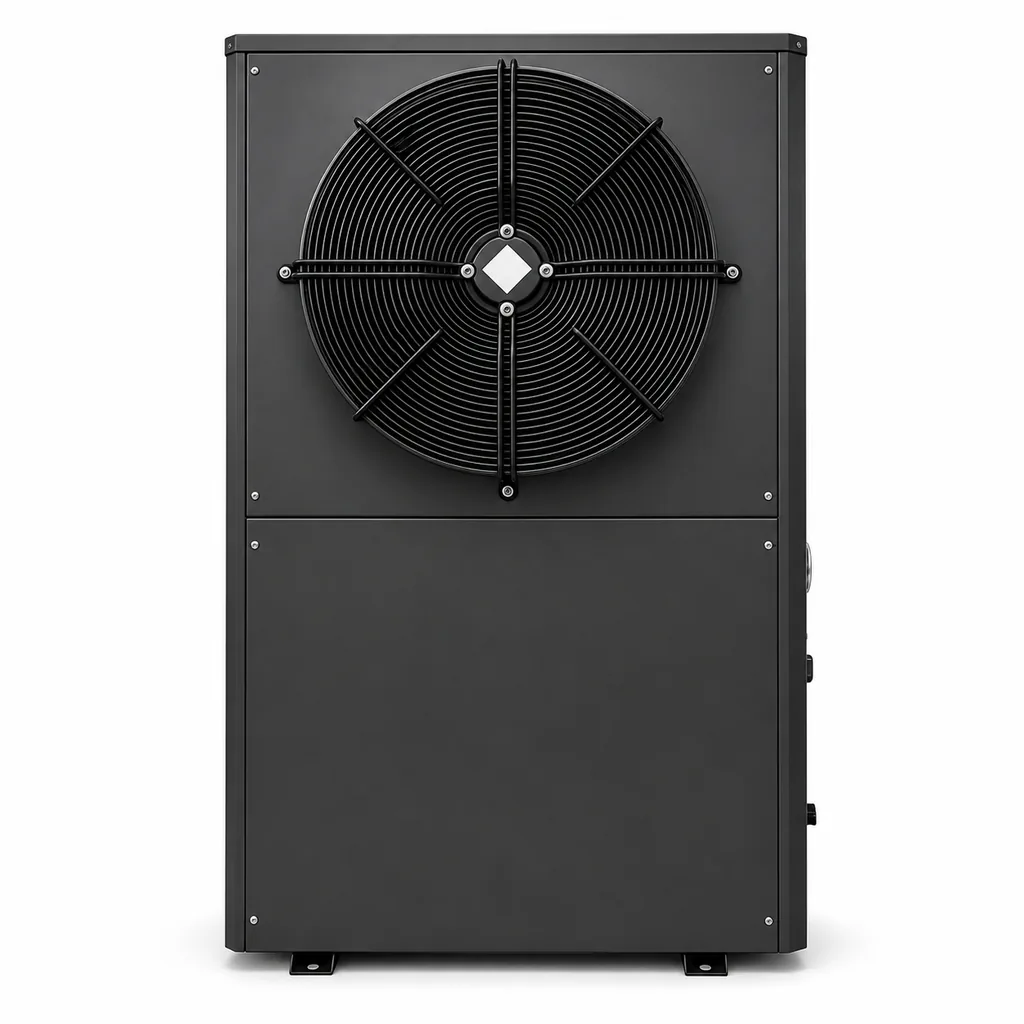
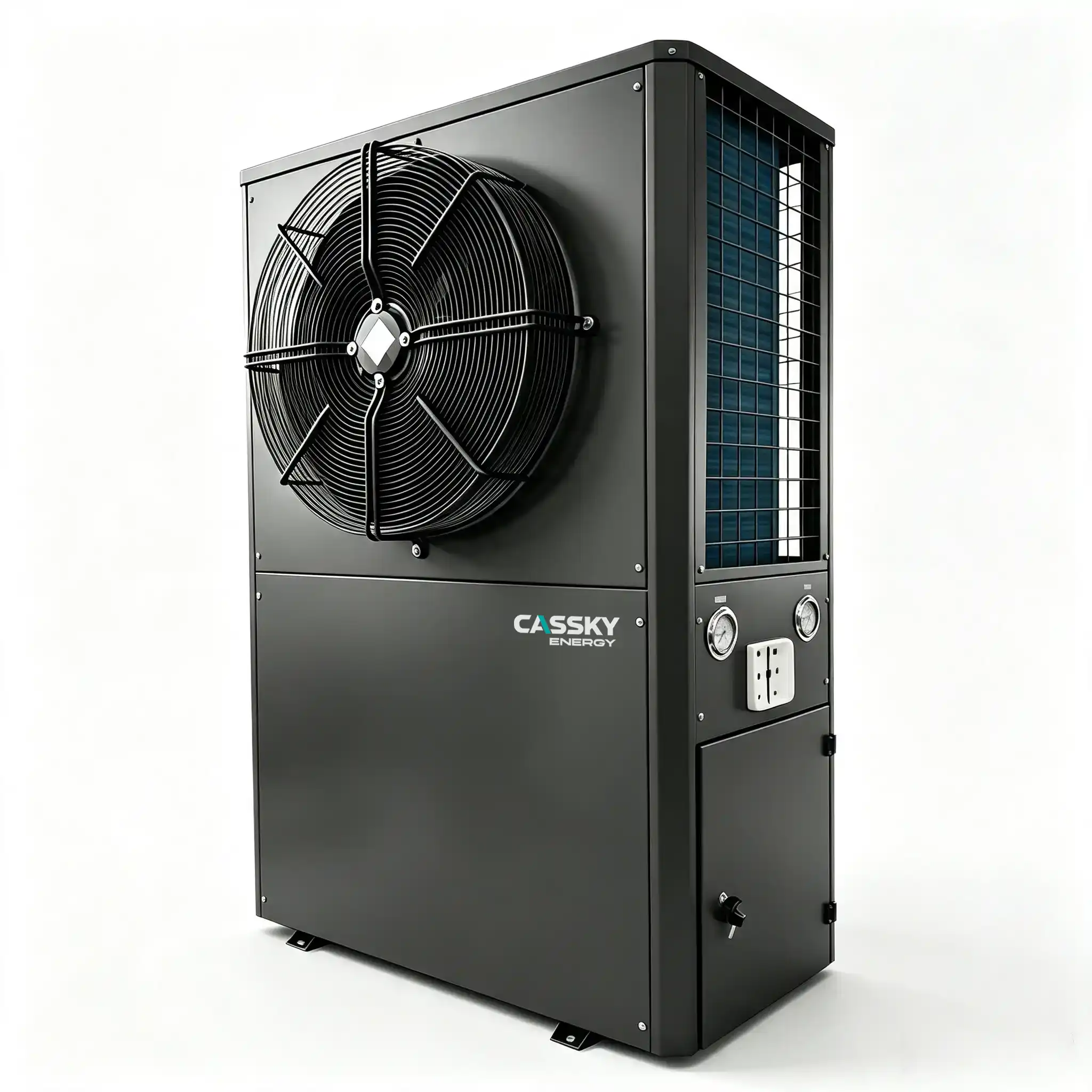
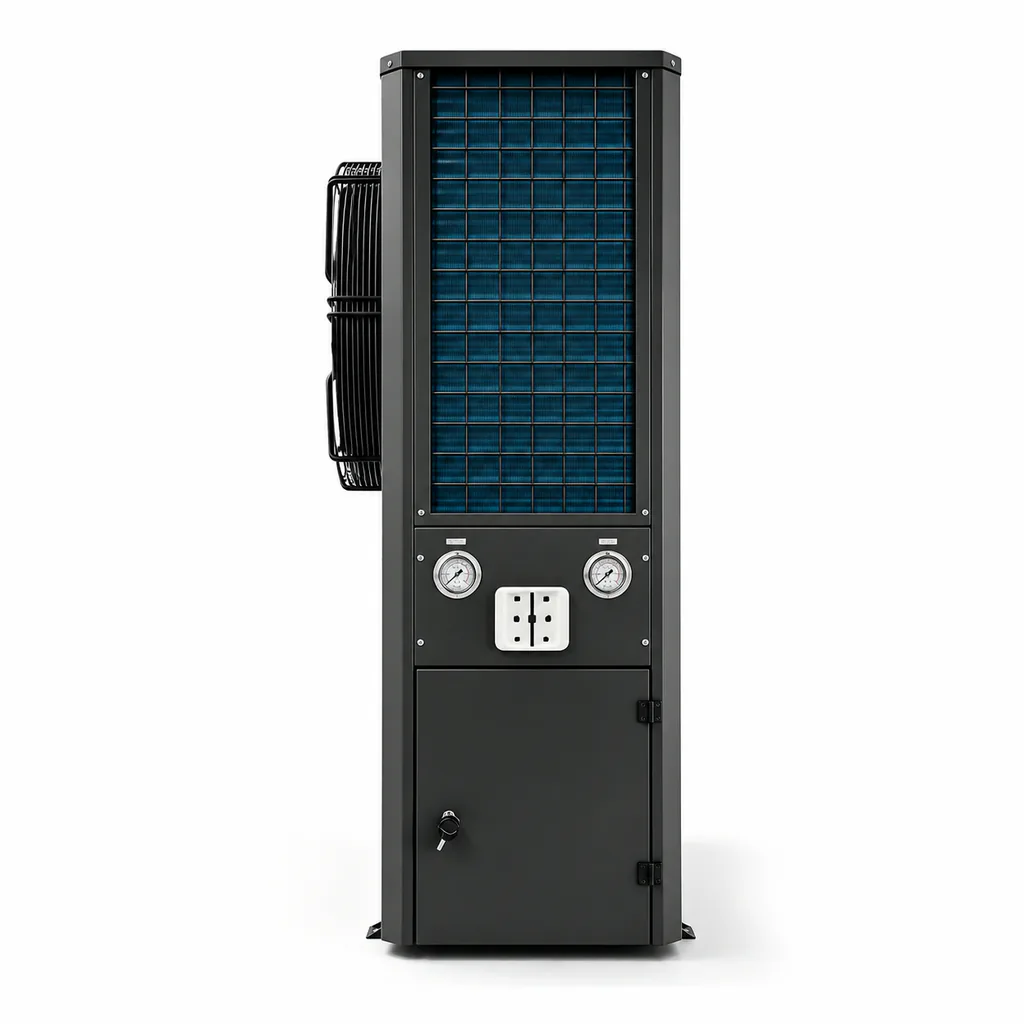
Heat Pump Main Unit
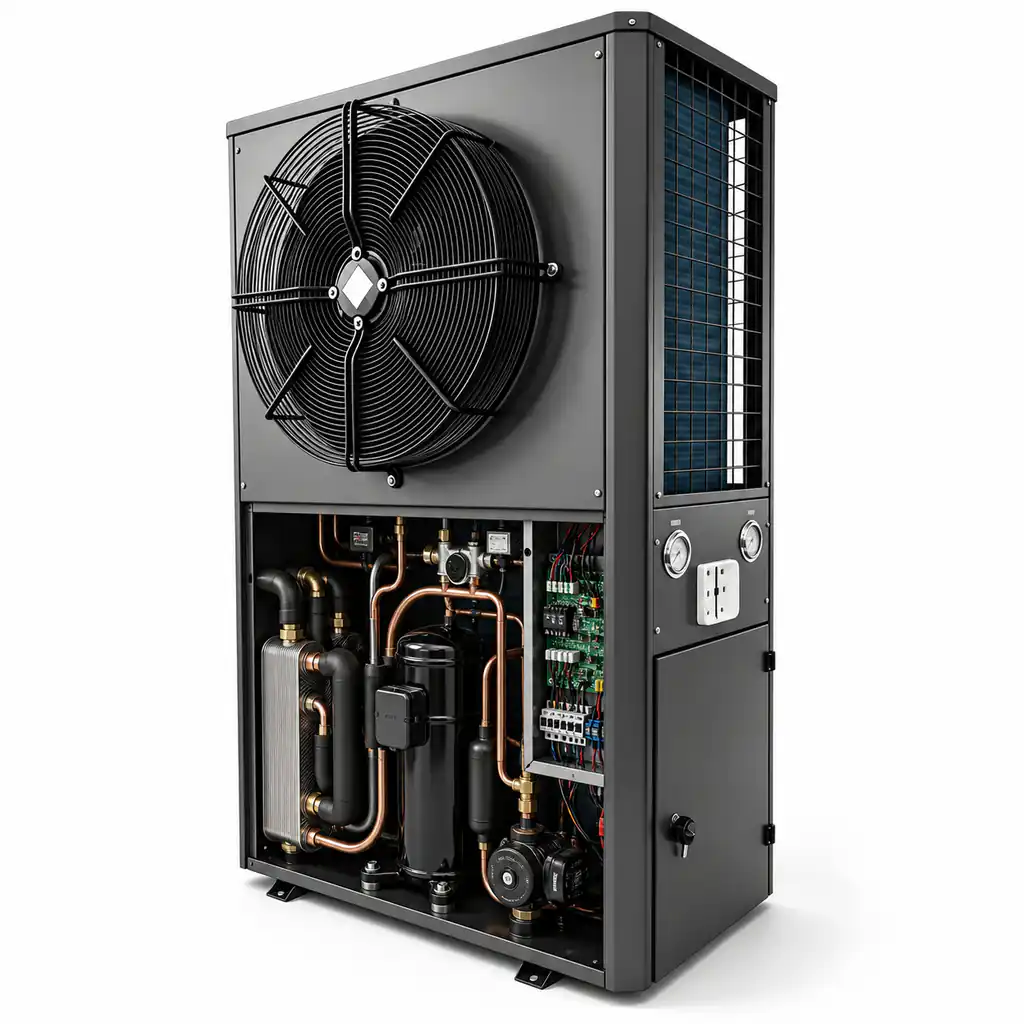
Compact indoor equipment for connection to the source loop and building hydronic system. Show the actual cabinet, pipe connections and service-access side.
One hydronic platform for space heating, cooling and domestic hot water. Connect the unit to a stable water source or ground loop and configure the distribution system for villas, apartments and light commercial buildings.
U.S. Department of Energy guidance states that geothermal systems can reduce electricity consumption by approximately 25%–50% compared with traditional heating and cooling systems.
Outdoor air changes sharply across seasons. Ground and suitable water sources are generally more stable, reducing the temperature lift the refrigeration cycle must overcome and supporting efficient operation across the year.
Illustrative comparison, not a guaranteed project saving. Actual consumption depends on building load, source temperature, loop and terminal design, controls, operating hours and local climate. Source: U.S. Department of Energy.
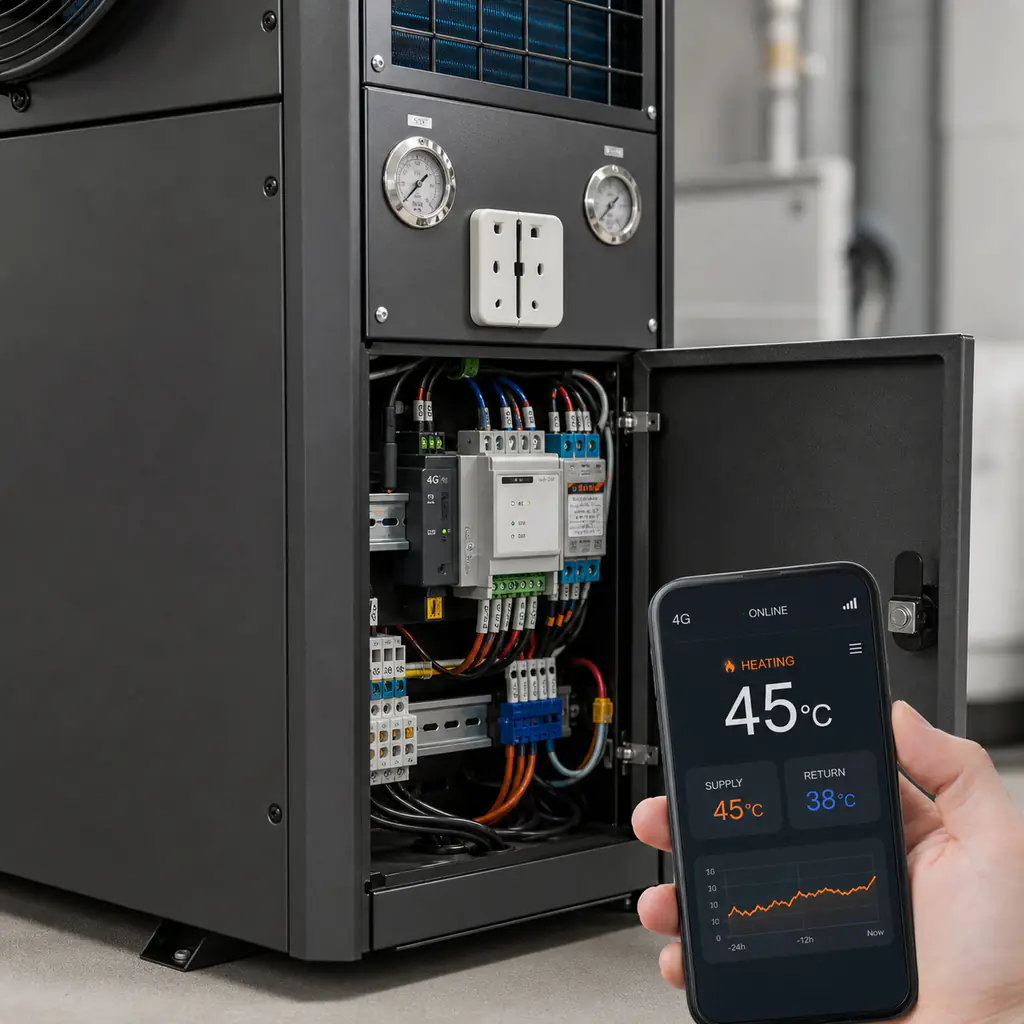
Evaluate more than the cabinet. The product structure, internal hydraulic and refrigeration components, and connected control interface all affect installation, commissioning and long-term service.
Compact indoor equipment for connection to the source loop and building hydronic system. Show the actual cabinet, pipe connections and service-access side.
Use a clear internal photo to identify the compressor, heat exchangers, pumps, valves, electrical controls and service points included in the selected configuration.
View operating status, adjust permitted settings and receive system information remotely through the supported 4G connection, helping contractors and operators reduce unnecessary site visits.
For technical evaluation: request the component list, hydraulic diagram, controller manual and remote-connectivity scope for the target model.
The unit does not create a viable source loop by itself. Water quality, available flow, borehole or collector design, pumping energy and local permissions must be evaluated before equipment selection.
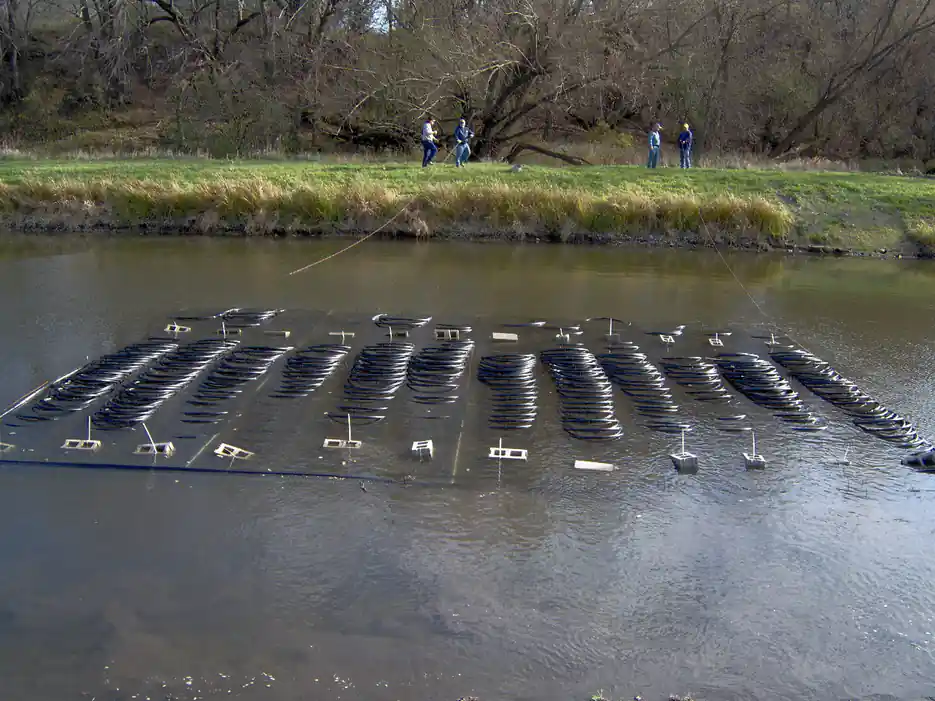
Suitable where the project can provide stable entering-water temperature and flow. Confirm water analysis, filtration, heat exchanger protection and discharge or reinjection requirements.
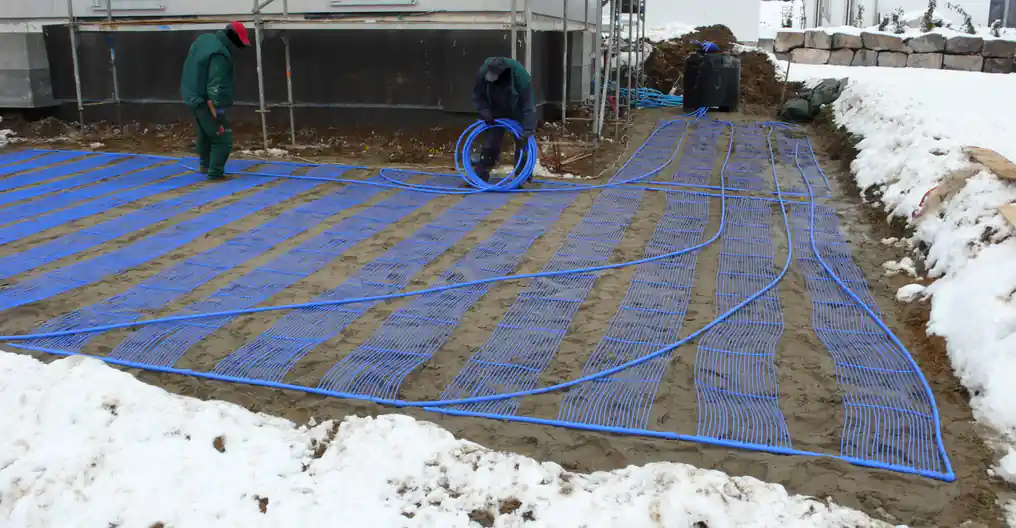
Connect to a vertical borehole or horizontal collector designed from ground conductivity, annual load balance, available land, drilling conditions and fluid pressure loss.
Use these values for early comparison. Request the model table before calculating loop flow, pump head, terminal capacity or electrical demand.
Request Model Datasheet →*Editable pre-publication reference values. Capacity, COP/EER, water limits and electrical options vary by model and rating condition.
Prioritize projects with suitable drilling or water-source conditions, year-round heating and cooling demand, limited outdoor-unit space or a long-term energy strategy.
Protect guest comfort without letting pool operation dominate your energy budget. A pool heat pump maintains inviting water temperatures, while a dehumidification model controls condensation and stuffiness around indoor leisure pools.
Keep training lessons and public sessions running under stable conditions. Commercial pool heat pump capacity supports larger water volumes and extended operating hours, while integrated dehumidification protects the pool hall from persistent moisture.
Give every guest the high-temperature water and calm atmosphere expected from a premium spa. A full DC inverter spa heat pump responds to changing demand without disruptive on/off cycling.
Support scheduled classes, competitions and community use with dependable water and air conditions. A correctly sized pool heat pump handles recurring heating demand, while system design addresses indoor moisture load.
Water and ground source projects are won or lost at the system boundary. Send the source, building and terminal data before choosing a model.
Heating, cooling and DHW demand at the project design conditions.
Water temperature, flow and quality, or ground-loop survey and design.
Terminal temperatures, tank, pumps, pressure loss and mode priority.
Model, quantity, controls, OEM details, documentation and test criteria.
Send for preliminary selection: location, building load, source type and temperature, available flow, heating/cooling water temperatures, DHW demand, power supply and estimated quantity.
Submit Project Requirements →Answers focused on source qualification, system design and purchasing.
The refrigeration unit uses a water circuit on the source side in both cases. A water-source project exchanges heat with qualified groundwater or another engineered water loop; a ground-source project connects to buried vertical or horizontal collectors. The unit selection must match the actual entering-water range and flow.
Yes, when the selected model and hydraulic design support the three modes. Define terminal water temperatures, DHW tank, operating priority and backup strategy; do not assume all three loads receive full capacity simultaneously.
No. It is an industry reference from U.S. Department of Energy guidance for geothermal systems compared with traditional heating and cooling systems. Project results depend on source temperature, building load, loop design, pumps, controls, operating hours and the comparison baseline.
Provide heating and cooling loads, DHW demand, source type, entering-water temperature range, available flow, water analysis where applicable, terminal temperatures, pressure-loss data, power supply and project location.
Depending on model and quantity, the scope may include logo and nameplate, exterior branding, controller configuration, packaging and manual languages. Send the target market, required certification, annual estimate and branding files for confirmation.
Cassky specializes in high-performance heat pump systems and solar energy solutions, providing reliable products and customized services for global distributors, engineering companies, contractors, and brand partners.
Tell us about your product or project requirements. Our team will contact you to discuss the next step.