Photovoltaic Module
Choose the exact module from electrical, mechanical and environmental limits—not wattage alone.
Solar Generation and Storage Portfolio
Build market-ready solar portfolios with project-matched PV generation, intelligent storage and coordinated OEM support.
Select a photovoltaic module when you need a DC power-generating component. Choose a photovoltaic energy storage system when your project also requires power conversion, battery capacity, controls and backup functions.
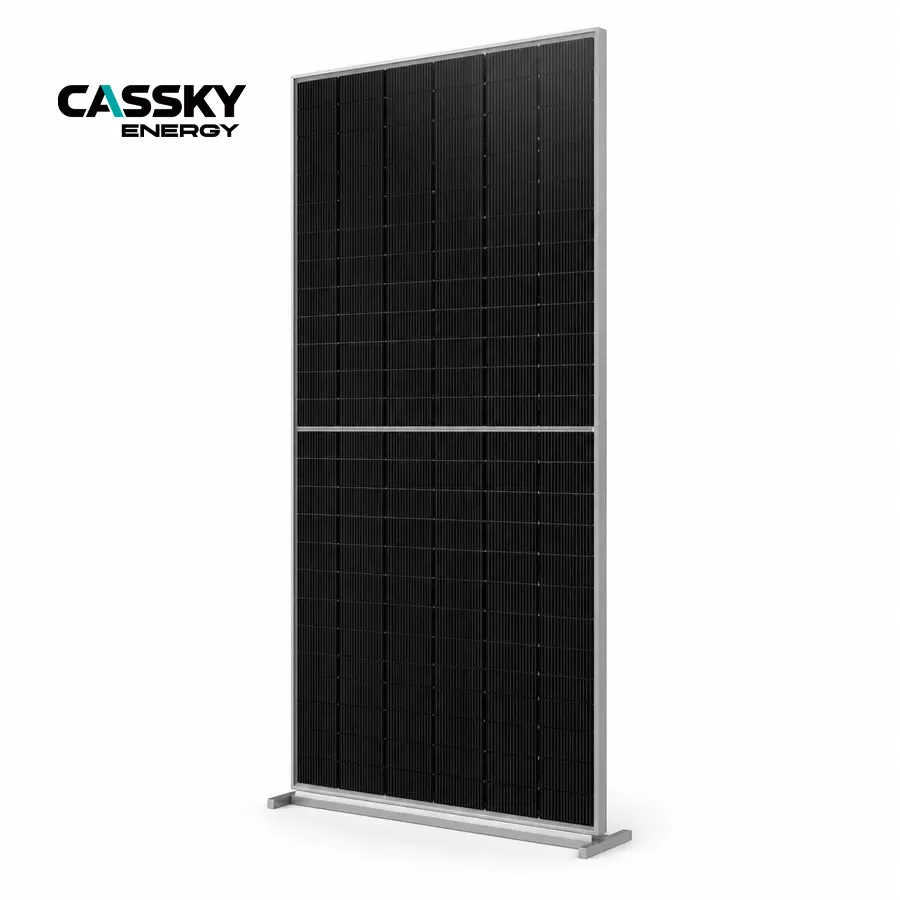
Converts solar irradiance into DC power for rooftops, commercial arrays and utility projects with configurable electrical and mechanical formats worldwide.
View Product →
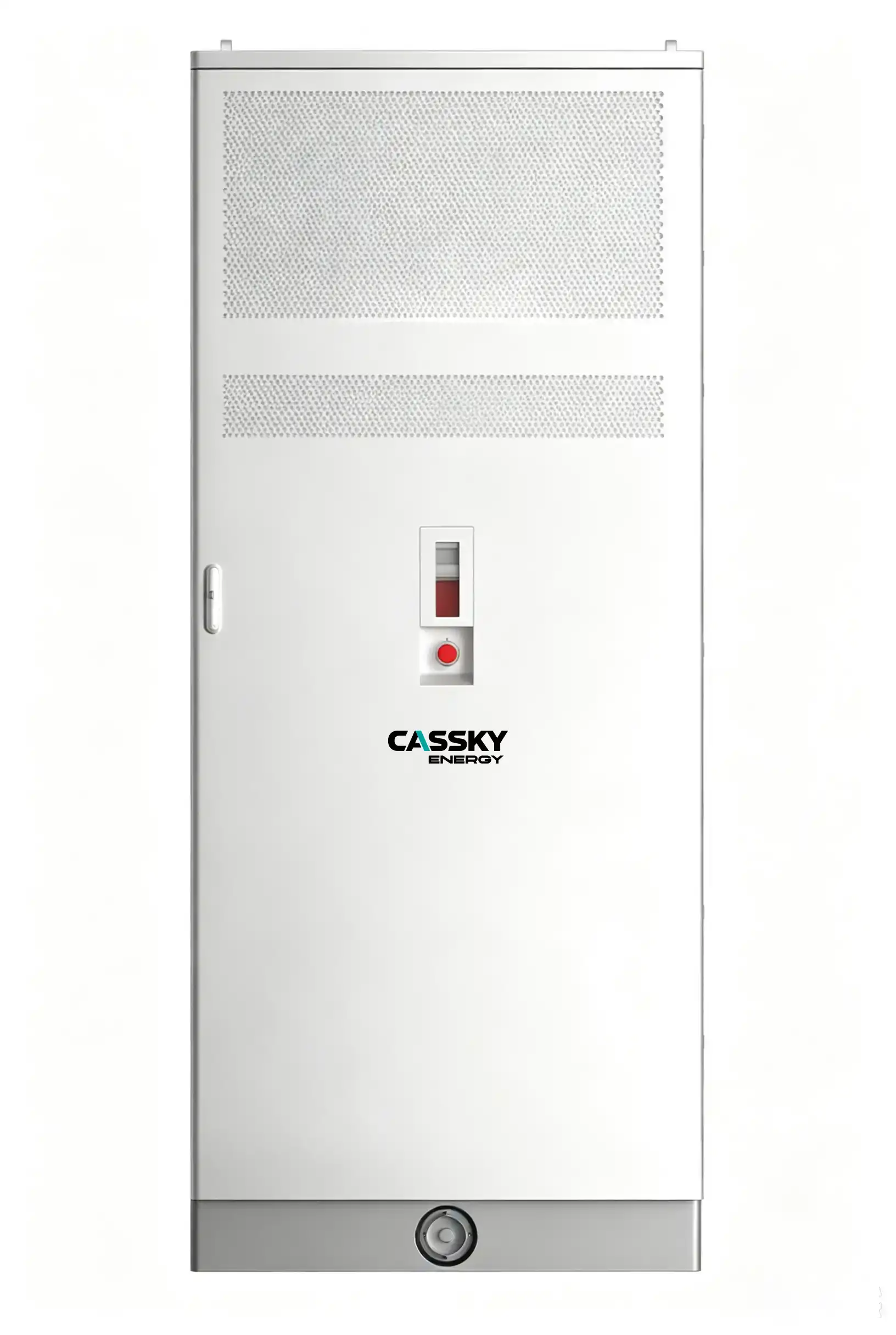
Coordinates hybrid power conversion, modular battery storage and intelligent controls for self-consumption, tariff management and selected backup loads in worldwide projects.
View Product →
Our photovoltaic modules and energy storage systems give distributors, EPC contractors and project developers a clear path from DC generation to controlled energy use. Select module power, cell architecture, dimensions and electrical limits around your mounting and inverter design. Then configure storage power, usable energy, backup loads and operating modes around the site profile. You receive a defined supply boundary, model-specific documentation and OEM options for branding, labels, manuals and packaging. This coordinated approach helps you avoid mismatched components, unsupported performance claims and incomplete quotations before procurement begins.
Choose the exact module from electrical, mechanical and environmental limits—not wattage alone.
Size inverter power, usable battery energy and backup capability as separate project variables.
*Preliminary market-reference positioning from existing product content. Publish final power, dimensions, electrical limits, usable energy, protection, certification and warranty only from the approved CASSKY model datasheet.
Each configuration is evaluated as part of the electrical system, installation environment and destination-market requirement.
Selected module platforms deliver project-ready power classes with confirmed electrical characteristics.
Glass, encapsulant and rear layers protect cell circuits from outdoor exposure.
Junction-box diodes limit selected hot-spot risks during partial cell shading.
Model-specific frames and glass structures address approved wind and snow loads.
Approved battery modules expand usable energy within platform and firmware limits.
Battery monitoring coordinates voltage, temperature, charging and discharge protection functions.
Compatible controls support self-use, scheduled charging and secure backup-priority strategies.
Model-specific monitoring options display energy flow, status and operating information.
A photovoltaic module must fit the inverter at both cold-circuit voltage and high-irradiance current. Check Voc, temperature coefficient, Isc, MPPT window, string length and input-current limits using the exact model datasheets. This verification prevents clipping, nuisance shutdowns and unsafe DC designs that a simple wattage comparison cannot reveal before commissioning.
A photovoltaic energy storage system needs separate calculations for inverter power and usable battery energy. List simultaneous loads, motor starting demand, required runtime, battery reserve and conversion losses before selecting kW and kWh. You receive a more realistic configuration and avoid promising whole-building backup from an undersized residential platform alone.
Certification must match the purchased photovoltaic module or storage-system model, destination market and approved bill of materials. Request the relevant test report, certificate holder, model list, grid-code scope and battery transport documentation. This evidence helps your distributor or EPC team manage customs, utility approval, project submittals and warranty records with fewer surprises.

Match photovoltaic generation and storage functions to the site's load profile, tariff, resilience goal and installation conditions.
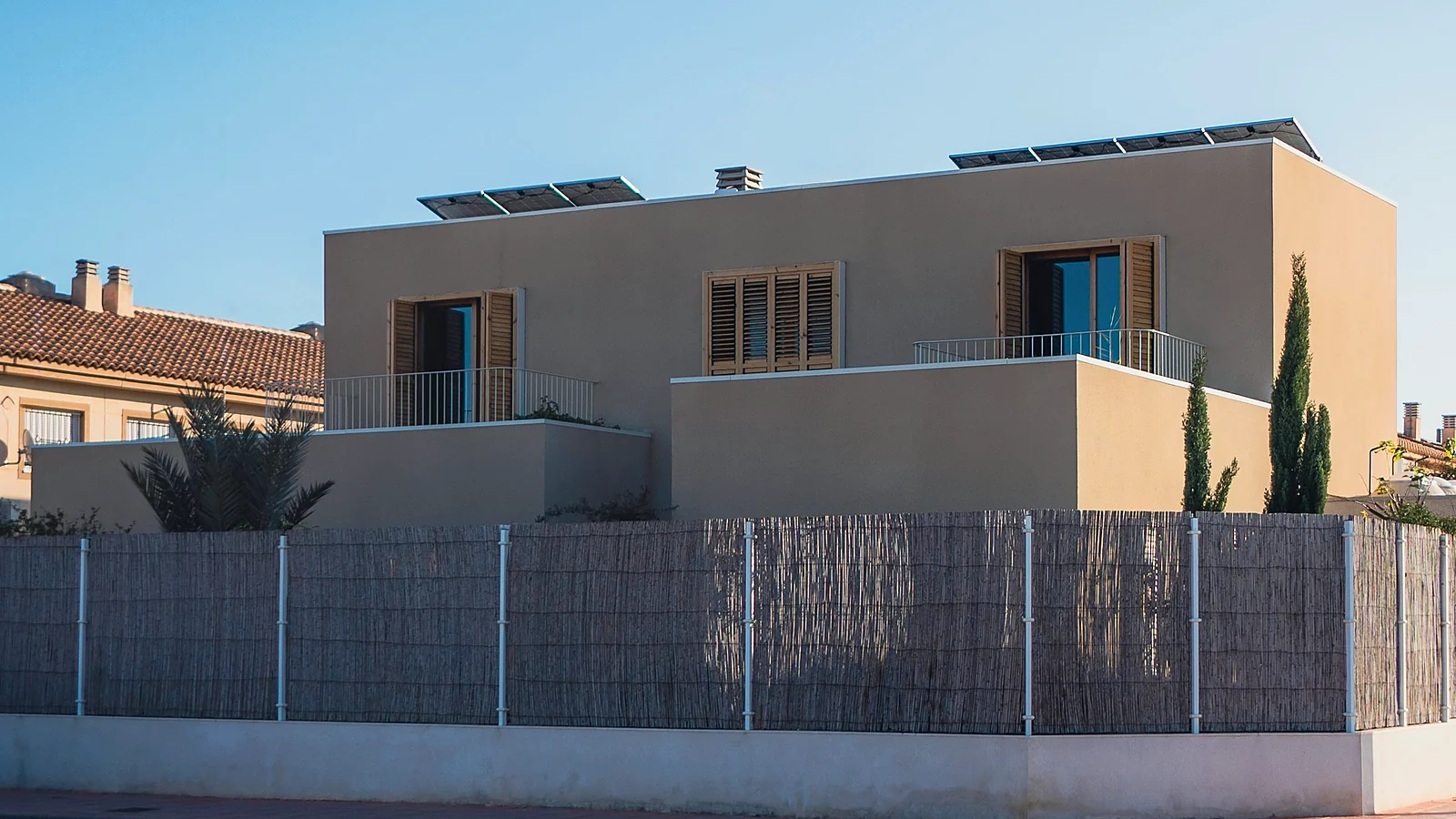
Combine rooftop photovoltaic modules with a correctly sized photovoltaic energy storage system to increase household solar self-consumption. Your installer can reserve battery energy for selected circuits, schedule charging around tariffs and configure backup priorities. The result is a defined home energy package instead of unrelated panels and batteries for buyers.
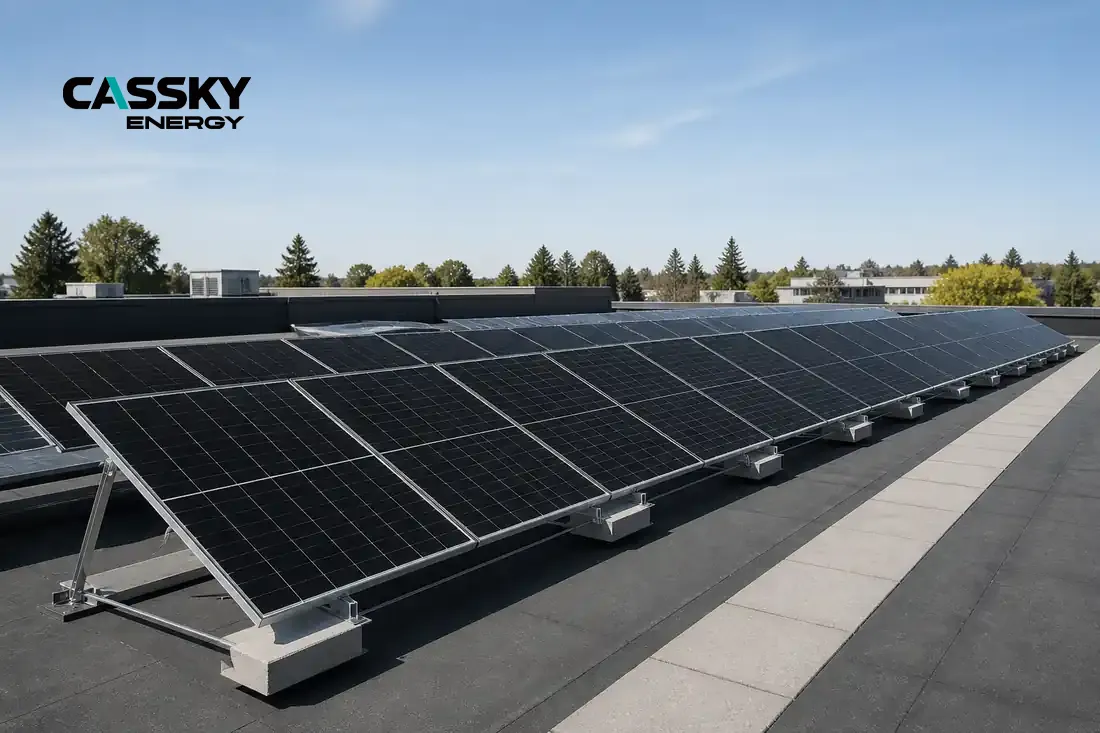
Deploy high-output photovoltaic modules across factories, warehouses, offices and retail buildings where daytime loads align with solar production. Add storage when tariff shifting, demand control or selected backup creates a measurable business case. You gain an architecture sized around interval data, roof limits and grid requirements before final equipment selection.
Use photovoltaic modules as the primary generator and a compatible energy storage system to serve remote communications, farms, cabins or field equipment. Your engineer can calculate seasonal production, battery autonomy, surge demand and optional generator support. This prevents optimistic off-grid promises based only on average daily energy in difficult climates.
Build your channel offer around clearly separated photovoltaic modules and photovoltaic energy storage systems. Align model selection, labels, packaging, manuals, certificates and spare-parts planning with the destination market. You can present customers with a repeatable product family while keeping every quotation's supply boundary and compatibility responsibilities visible across repeated orders.
These questions address specification, compatibility, expansion and procurement details not covered by the product overview.
No, unless the quotation explicitly lists it. A photovoltaic module normally includes the framed or frameless laminate, junction box, cables and connectors. Inverters, mounting, combiner equipment, DC protection and installation materials are separate supply items. Request a line-by-line scope so your landed-cost and project comparisons use the same equipment boundary.
No. Module strings must remain inside the inverter's maximum DC voltage, MPPT voltage and input-current limits across site temperature and irradiance conditions. Connector type alone does not prove compatibility. Your electrical designer should calculate cold Voc, operating Vmp, short-circuit current and parallel-string current using the exact approved datasheets.
Required capacity depends on the load profile, solar production, tariff strategy, desired backup duration, allowable battery reserve and seasonal operating case. Inverter kW controls simultaneous power, while usable battery kWh controls approximate runtime. Provide interval consumption data and a priority-load list for a defensible preliminary configuration.
Selected modular platforms may allow additional battery modules, but expansion is limited by approved module quantity, voltage, firmware, installation rules and battery age. Mixing unapproved capacities or production generations can affect communication and warranty coverage. Confirm the model-specific expansion policy and reserve the required floor or wall space before purchase.
Verify the certificate holder, covered model list, applicable test standards and destination-market requirements. For batteries, also confirm transport documentation, packaging, labeling and safety data. Photovoltaic module, inverter, battery and complete system certificates are not interchangeable. Final documentation must correspond to the shipped model and approved bill of materials.
Send the destination country, annual forecast, target module power or storage size, grid type, application, certification needs and delivery plan. Define branding, manuals, packaging, monitoring interface and accessory scope. We can then review platform fit, validation work, minimum order quantity, sample approval and repeat-production requirements before confirming commercial terms.
Cassky specializes in high-performance heat pump systems and solar energy solutions, providing reliable products and customized services for global distributors, engineering companies, contractors, and brand partners.
Tell us about your product or project requirements. Our team will contact you to discuss the next step.