
Press ESC or click anywhere outside to close

Home / Solar Products / Photovoltaic Module

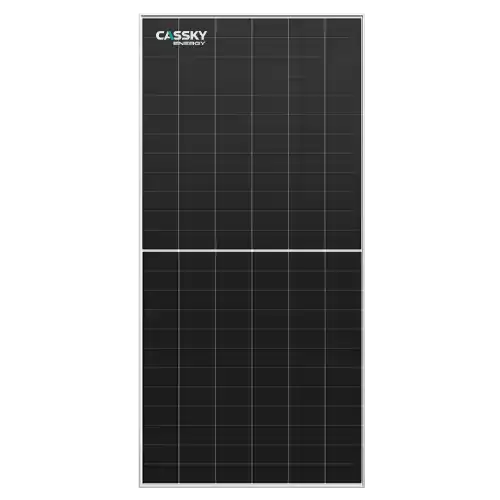
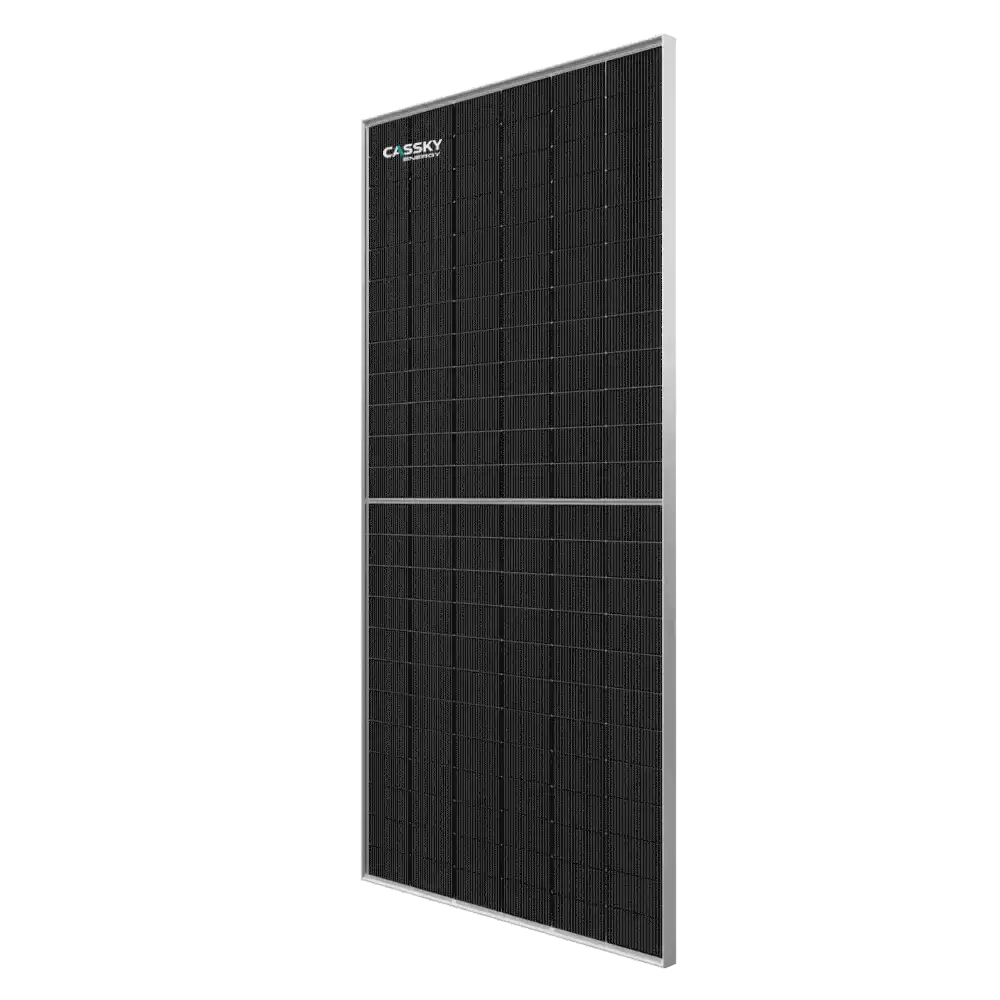
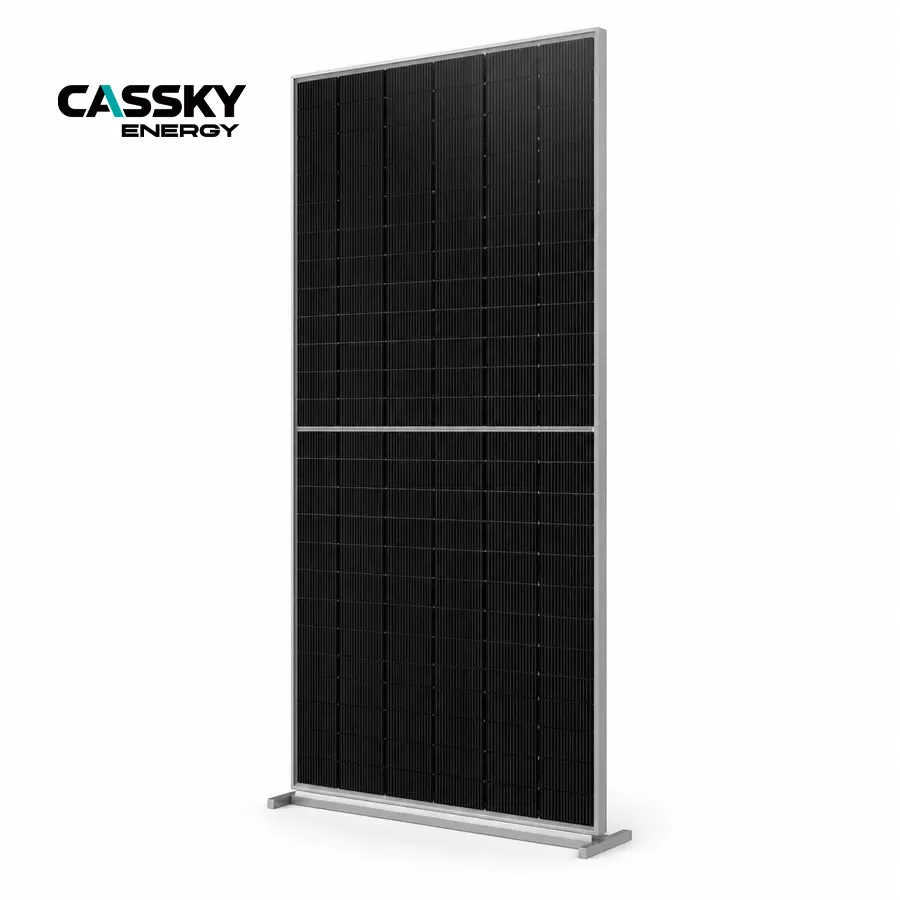
Crystalline Silicon DC Power Generator

Photovoltaic Module

High-output solar modules for distributed rooftops, commercial arrays and utility projects. Configure cell technology, power class, glass structure, appearance and electrical characteristics around your target market and system design.

450–700+ W* N-type Options* Mono / Bifacial* OEM Available

Module-only product: inverter, battery, BMS, EMS, combiner equipment and backup functionality are not included. *Market-reference product classes; final CASSKY model data require confirmation.

Power-generating module, not energy storage

A photovoltaic module converts sunlight into DC electricity. It does not store energy, create AC output or provide backup power by itself. Module selection must therefore focus on electrical, mechanical and environmental compatibility.

THIS PRODUCT

Photovoltaic Module

Primary function Converts solar irradiance into DC electrical power
Selection basis Pmax, Voc, Isc, efficiency, dimensions, load and temperature coefficients
Supplied item Framed or frameless PV module with junction box, cables and connectors
DIFFERENT PRODUCT

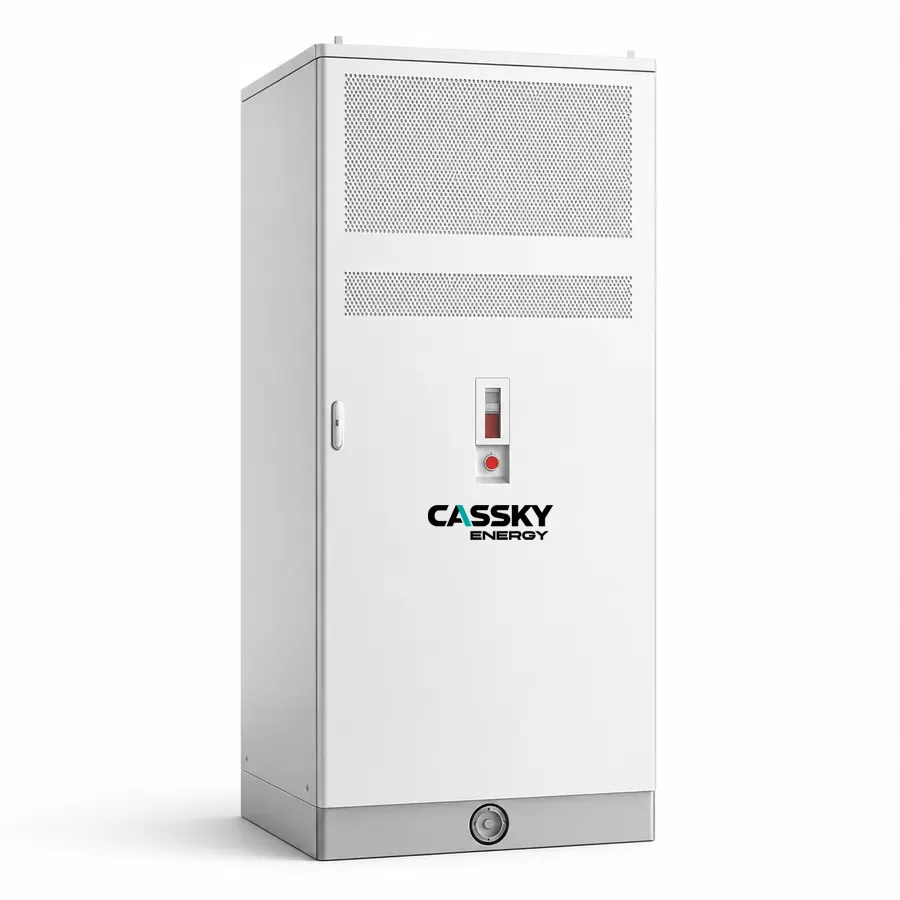
PV Energy Storage System

Primary function Stores electricity and manages charge, discharge and backup operation
Selection basis Battery kWh, inverter kW, usable energy, BMS, EMS and backup loads
Supplied item Battery and power-conversion platform configured as a system
SYSTEM COMPONENT

PV Inverter

Primary function Converts module DC output into usable grid or load-side AC power
Selection basis MPPT window, DC input current, AC power, phase and grid code
Compatibility Must be checked against module string voltage and current
Module quotation ≠ complete solar-system quotation. Send the target power class, project location, mounting type, inverter limits, module quantity and required certification.
MODULE ANATOMY

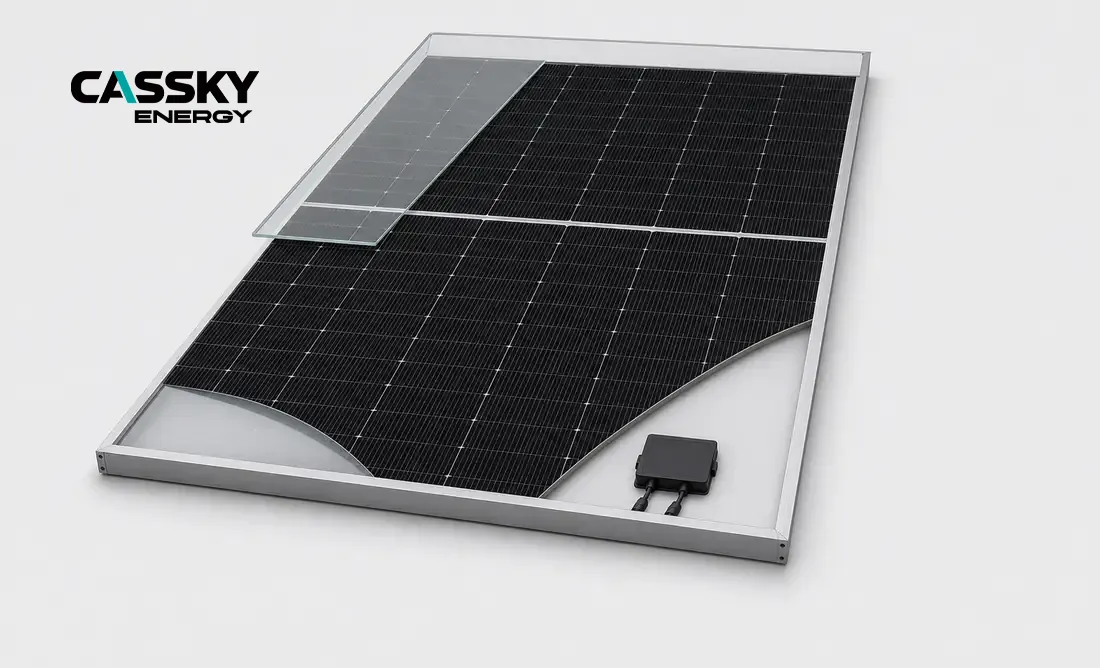
Engineered as a sealed electrical laminate

Photovoltaic Module Anatomy Solar glass* Cell circuit* Encapsulant* Junction box*
01

Front glass

Tempered coated solar glass protects the cells while transmitting irradiance into the laminate.

02

Cell circuit

Interconnected crystalline-silicon cells generate DC power. Cell technology and circuit layout are model-specific.

03

Encapsulation & rear layer

Encapsulant and backsheet or rear glass isolate the cell circuit from moisture and mechanical exposure.

04

Frame & junction box

The frame supports mounting while the junction box, bypass diodes, cables and connectors carry module output.

*Construction varies by model. Glass thickness, encapsulant, backsheet, rear glass, cell type, frame profile, junction box and connector must match the approved bill of materials and certification.

Select the module architecture

The highest wattage is not automatically the best project choice. Match the module format to roof handling, tracker geometry, rear irradiance, inverter current and logistics.

01 / CELL TECHNOLOGY
N

N-type & advanced cell options

Evaluate TOPCon, back-contact or other model-specific architectures using confirmed efficiency, degradation and temperature data.

  • Module efficiency
  • Power temperature coefficient
  • Initial and annual degradation
02 / REAR CONSTRUCTION

Monofacial or bifacial

Monofacial modules use front-side generation, while bifacial models can harvest rear irradiance when system geometry supports it.

  • Glass-backsheet or dual-glass
  • Bifaciality factor
  • Albedo and mounting clearance
03 / PROJECT FORMAT
W

Rooftop or utility format

Compact formats simplify rooftop handling; larger high-power formats can reduce module count in commercial and utility fields.

  • Dimensions and weight
  • Pallet and container quantity
  • Mounting and tracker compatibility
Compare exact model datasheets Marketing family names do not replace Pmax, Voc, Isc, Vmp, Imp, dimensions and certification-model matching.
Confirm the project operating case Use local minimum temperature, maximum cell temperature, irradiance and inverter limits for electrical design.

Design with voltage and current

Module wattage is only the starting point. A safe string design checks cold-condition open-circuit voltage, hot-condition operating voltage, input current, connector compatibility and local electrical rules.

STEP 01
Voc

Check cold voltage

Correct module Voc for the project minimum temperature before defining the maximum modules per string.

STEP 02
Vmp

Check the MPPT window

Confirm that hot-condition string operating voltage remains inside the inverter MPPT range.

STEP 03
Isc

Check input current

Apply the required design factors to short-circuit current and parallel-string current.

STEP 04
DC

Confirm BOS compatibility

Match cables, connectors, fuses, isolators, combiner equipment, mounting and grounding provisions.

Climate data Minimum ambient and maximum cell temperature
Inverter limits Maximum DC voltage, MPPT range and input current
Array layout Orientation, shading, mismatch and cable routing
Compliance Applicable code, grounding and rapid-shutdown rules
Engineering note: do not publish a universal string length or inverter match on the product page. It changes with the exact module, inverter, site temperature and electrical code.

Technical specification scope

Request Confirmed Datasheet
Reference power class 450–700+ W*
Reference efficiency Model-specific; up to 24% class*
Pmax / Vmp / Imp Exact model table required
Voc / Isc Exact model table required
Power tolerance 0 to positive tolerance class*
Maximum system voltage Up to 1500 V DC class*
Cell architecture N-type / model-specific*
Module construction Glass-backsheet / dual-glass*
Format Monofacial / bifacial*
Dimensions and weight Power-class dependent
Frame Anodized aluminium option*
Junction box IP rating and diode count to confirm
Operating temperature -40°C to +85°C class*
Pmax coefficient Exact model value required
Voc coefficient Exact model value required
Isc coefficient Exact model value required
NMOT / NOCT Test-condition dependent
STC basis 1000 W/m², AM1.5, 25°C
Design qualification IEC 61215 exact model*
Safety qualification IEC 61730 exact model*
Mechanical load Front / rear rating to confirm
Hail resistance Test report required
Fire classification Market and mounting dependent
Warranty Approved model terms only
Modules per pallet Model-specific
40-foot HQ quantity Model-specific
Cable length Layout-dependent option*
Connector Brand and type to confirm
Label and carton OEM option by agreement
Mixed loading Production-plan dependent
*Competitor-derived market references, not confirmed CASSKY claims. Replace every starred item with the exact model datasheet, certificate and warranty before publication. Electrical values from different power classes must never be mixed.

Match the module to the project platform

01 / DISTRIBUTED ROOFTOP

Residential portfolios

Compact module formats, appearance options and manageable unit weight for repeat rooftop programs.

02 / COMMERCIAL & INDUSTRIAL

C&I rooftops

High-efficiency modules configured around roof area, load capacity, fire rules and inverter design.

03 / GROUND MOUNT

Utility arrays

High-power or bifacial options evaluated with tracker geometry, albedo, wind load and logistics.

04 / SPECIAL ENVIRONMENT

Climate-specific projects

Select tested construction for coastal exposure, high snow, desert dust, high temperature or other declared conditions.

Flexible customization. Flexible production scheduling.

PRODUCT PROGRAM Power class, format, appearance and cable option*
BRAND PACKAGE Label, carton, manual and document set*
DELIVERY PLAN Pallet plan, container loading and staged shipment*

Partner With Cassky for Reliable Clean Energy Solutions

Cassky specializes in high-performance heat pump systems and solar energy solutions, providing reliable products and customized services for global distributors, engineering companies, contractors, and brand partners.

1. Distributors & Dealers Build long-term partnerships with reliable heat pump and solar energy products, competitive supply capability, and professional support.
2. Engineering Companies & Contractors Get technical assistance, project solutions, and product recommendations for residential and commercial energy projects.
3. OEM / Brand Partners Access customized manufacturing, private label solutions, and flexible cooperation options for your market.

Request a Quote

Tell us about your product or project requirements. Our team will contact you to discuss the next step.

Request a Quote