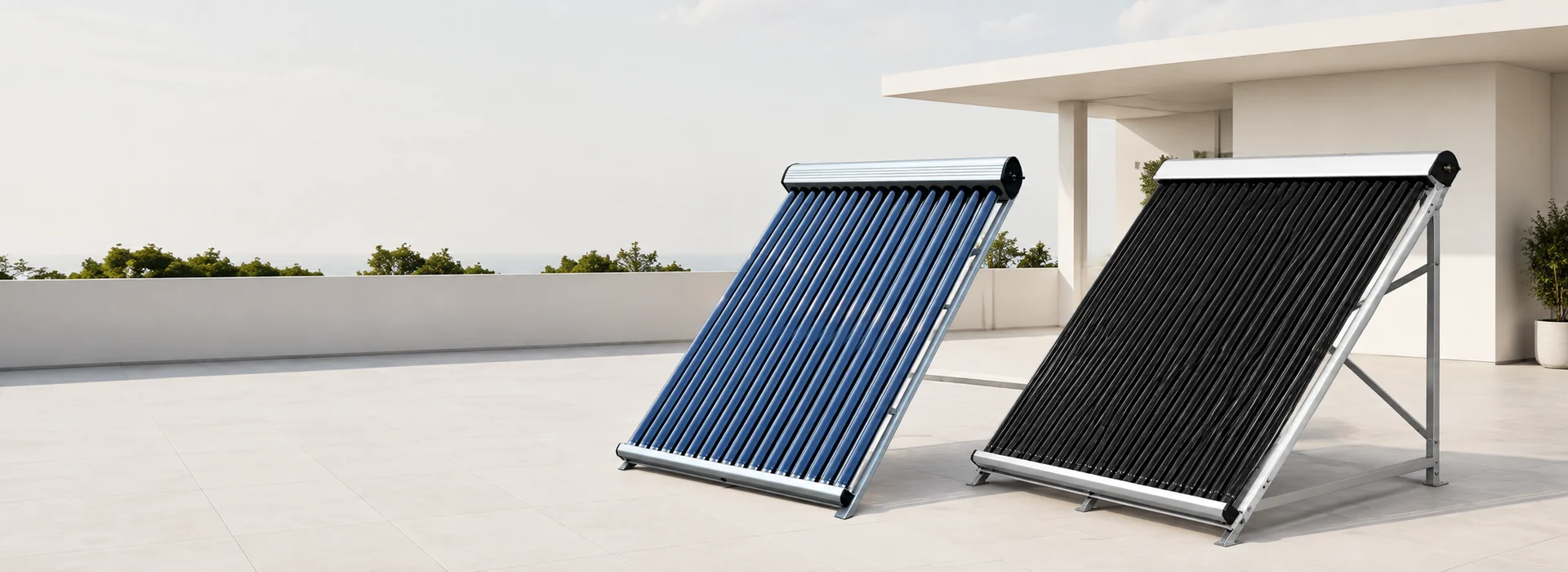
Evacuated Tube Solar Water Heater
- 100–300 L* Common packaged storage range.
- 10–30 Tubes* Matched to capacity and architecture.
- Thermosiphon Passive circulation package option.

Solar Water Heating
Choose an evacuated tube or flat plate solar water heater designed for efficient, dependable domestic and industrial hot water in different climates and household applications.
Start with a complete thermosiphon water heater or choose a collector architecture for integration with storage, controls and auxiliary heating.
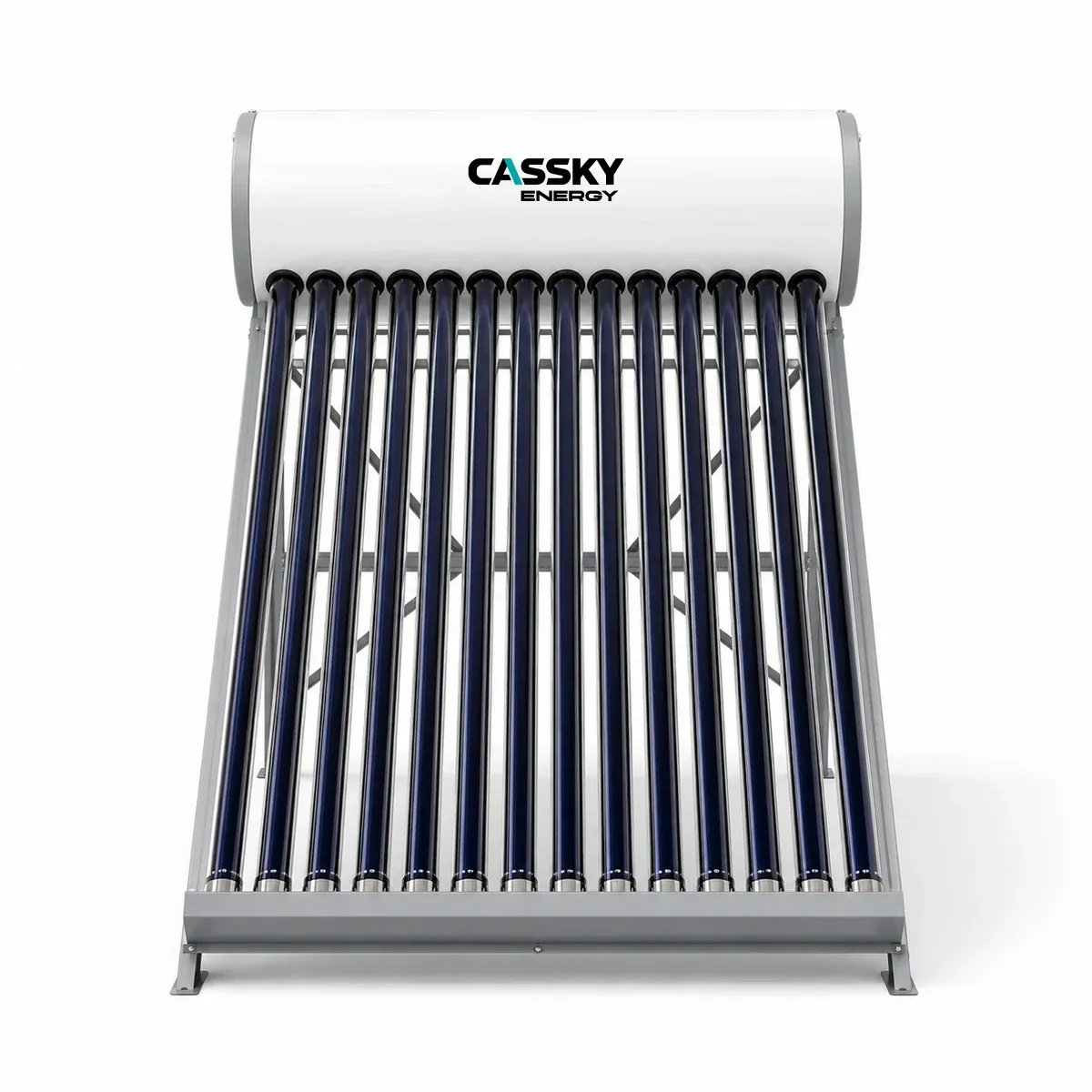
Combines vacuum tubes, insulated storage and roof support for a coordinated residential or light-commercial solar hot-water package.
View Solar Water Heater →
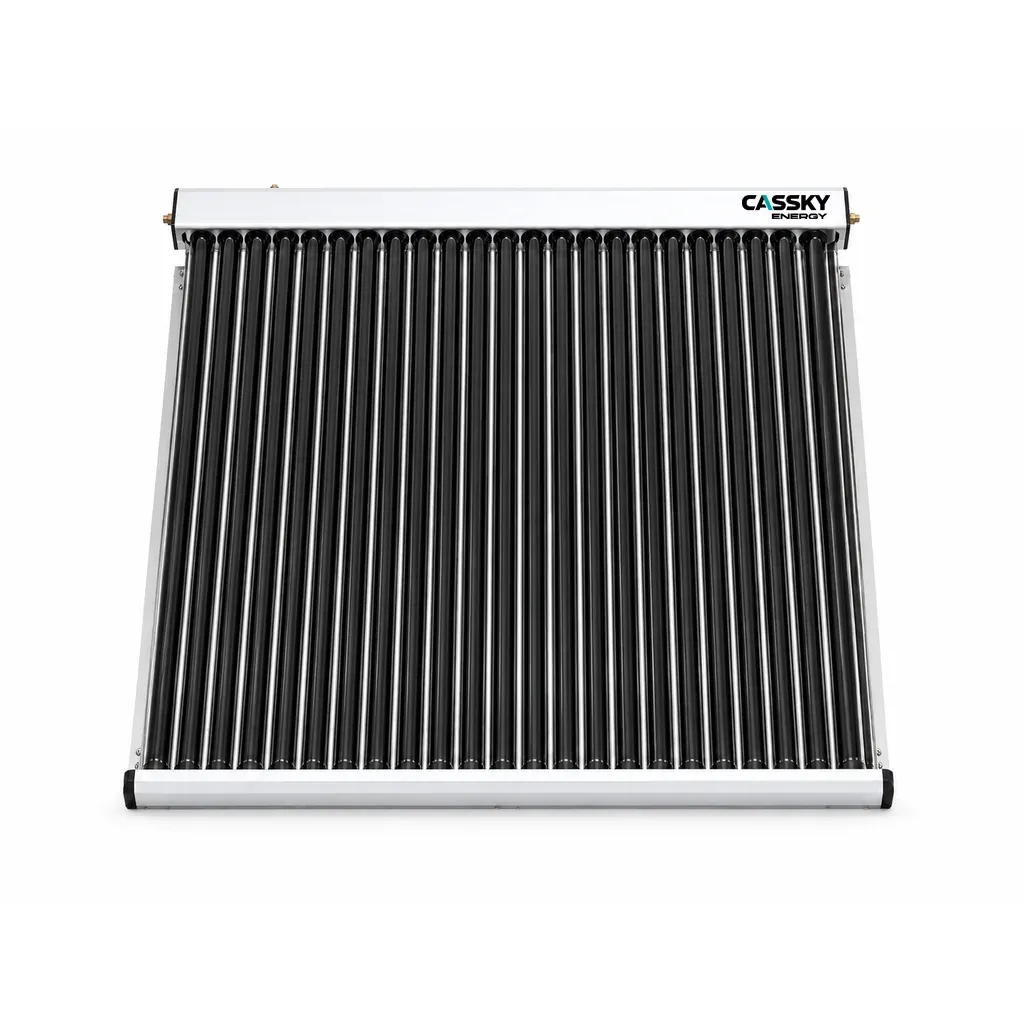
Uses shaped reflectors behind evacuated tubes to capture additional direct and diffuse radiation for demanding thermal applications.
View CPC Collector →
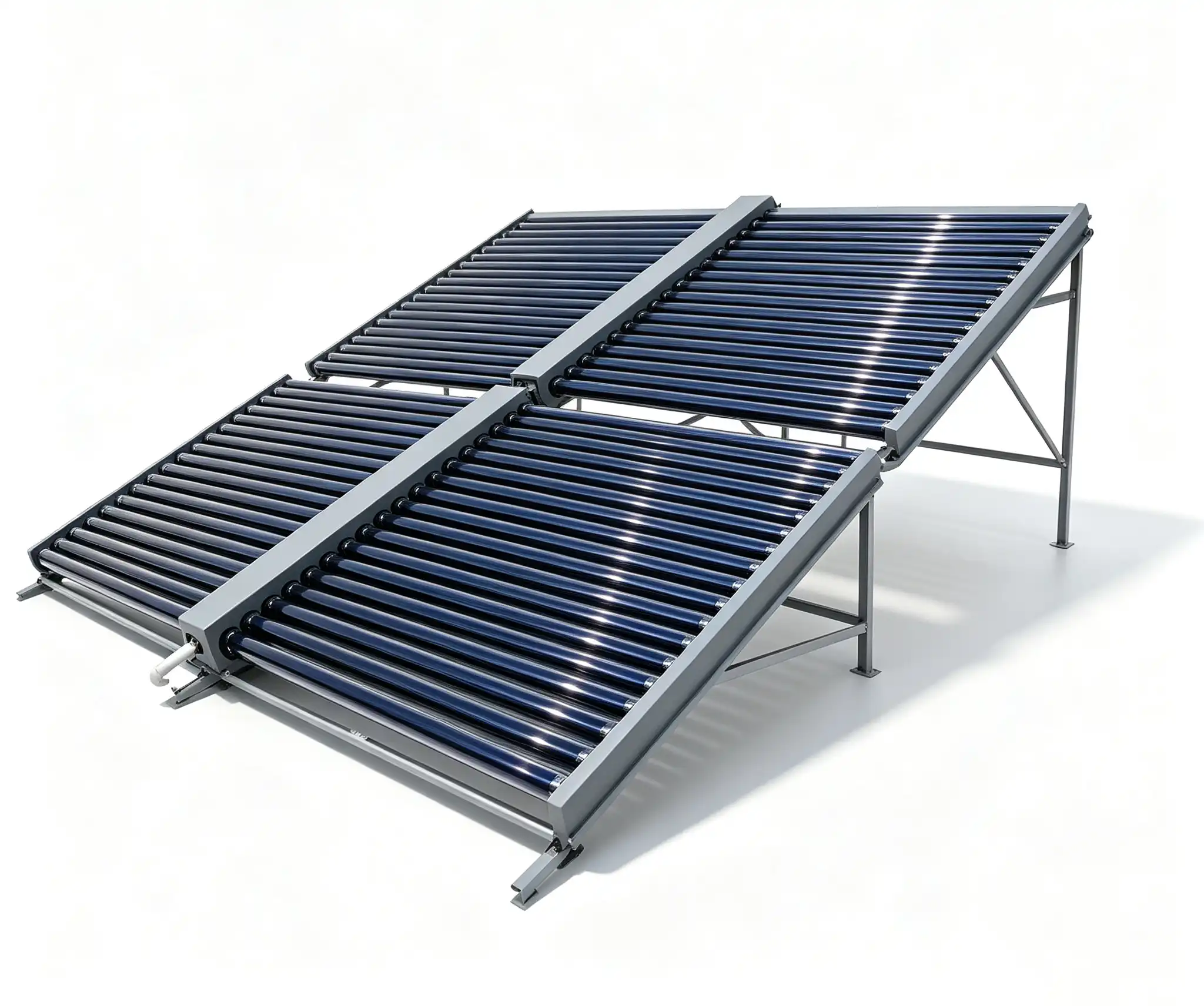
Connects all-glass evacuated tubes to an insulated manifold for modular low-pressure water-heating and preheating arrays.
View Manifold Collector →
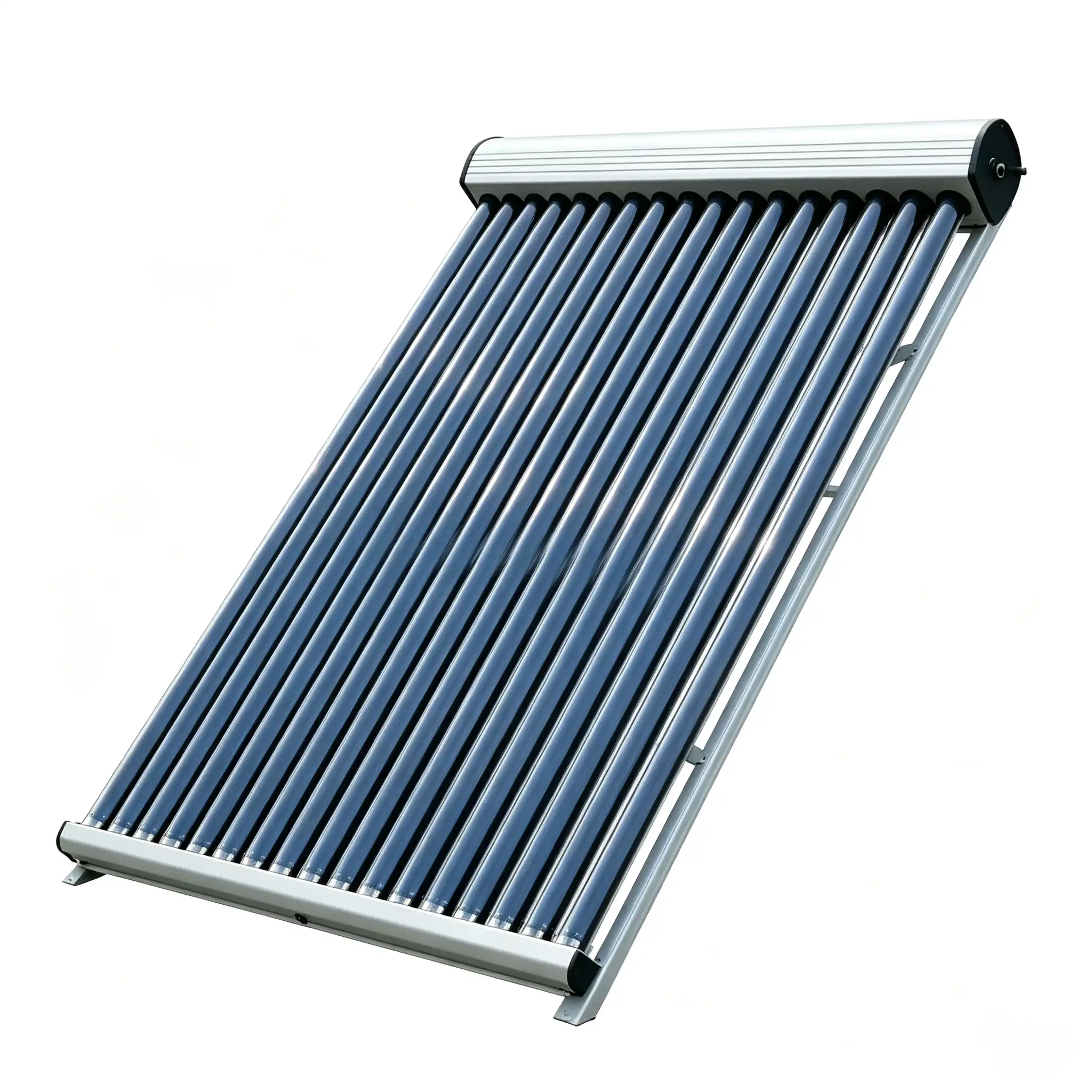
Circulates heat-transfer fluid through U-shaped tubes for pressurized arrays, flexible installation and centralized solar thermal integration.
View U-Tube Collector →
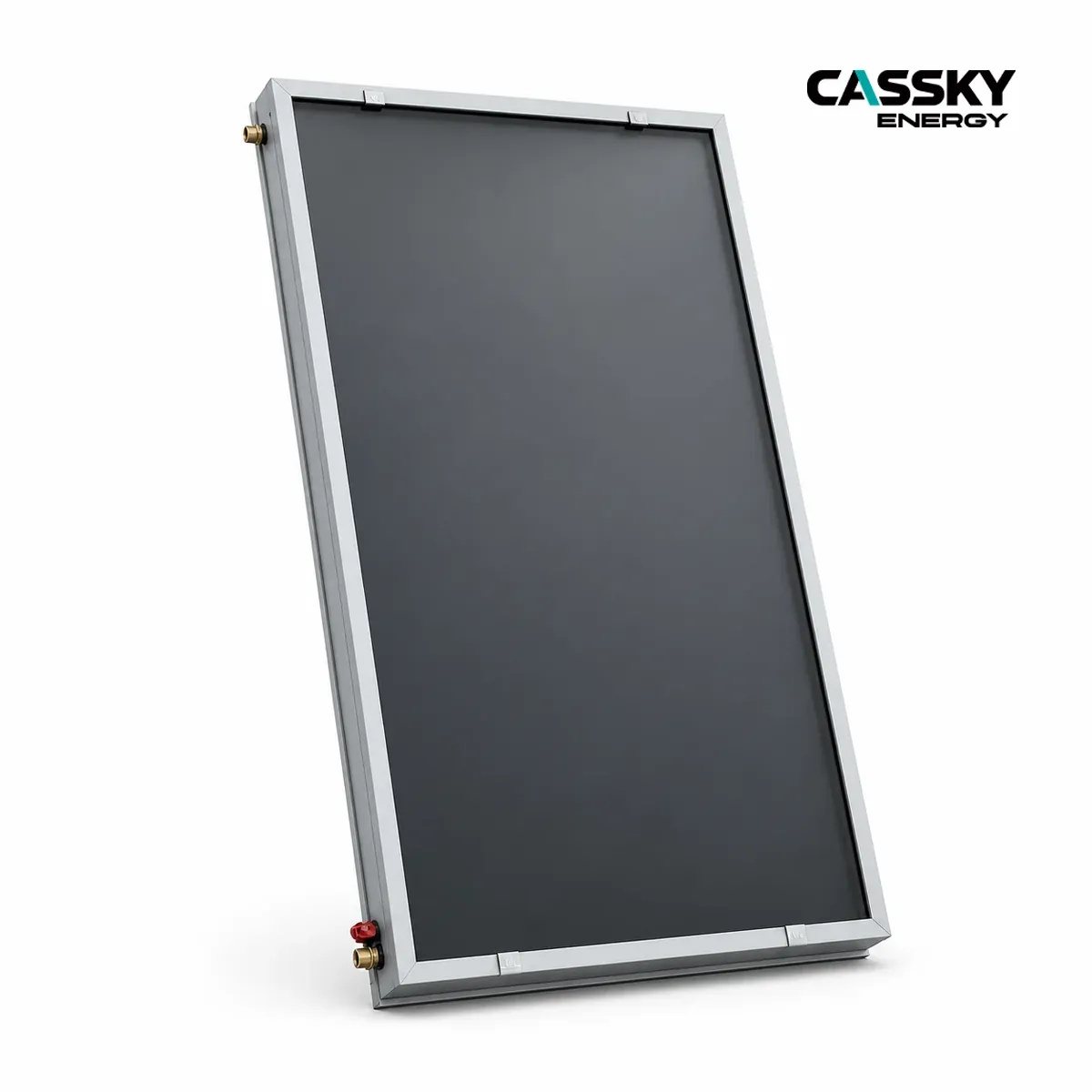
Integrates with custom storage, pumping and control designs for domestic hot water, commercial preheating and solar thermal projects.
View Flat Plate Solar Collector →
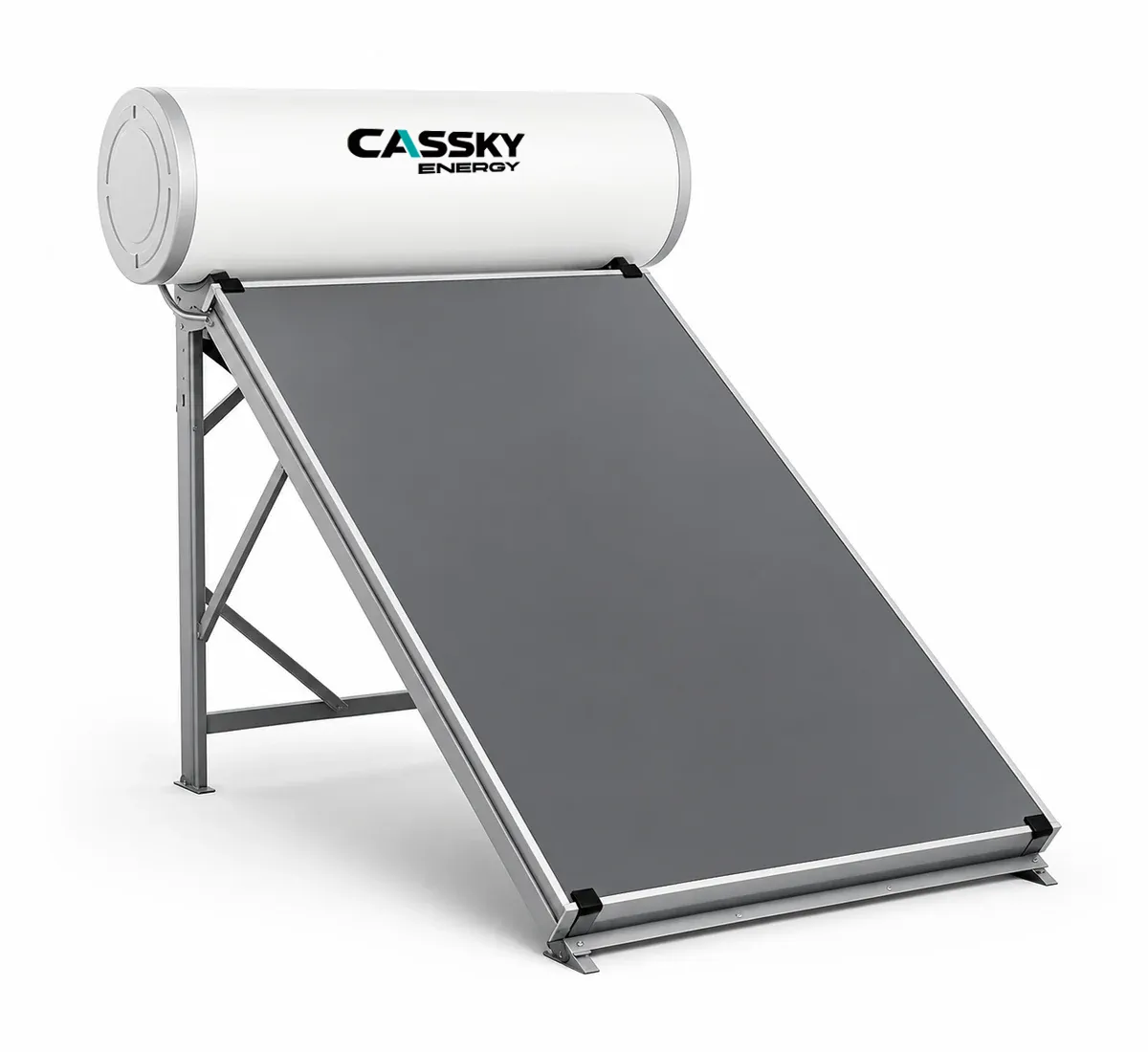
Complete mains-pressure solar hot water solution with integrated tank, collector array and mounting frame.
View Flat Plate Pressurized Solar Water Heater →CASSKY supplies complete evacuated tube solar water heaters and flat plate solar water heaters for residential, commercial and project-based hot water applications. Evacuated tube systems provide efficient heat collection in cold climates and areas with variable solar conditions, while flat plate systems offer a durable, streamlined solution for pressurized installations and high daily hot water demand. Both technologies can be configured with suitable storage tanks, circulation components, controllers and auxiliary heating options. This flexible product range helps distributors, contractors and OEM partners select the right solar water heating architecture according to local climate, installation conditions, water pressure, project capacity and budget.
Use the product structure to narrow your selection, then verify the approved model table, hydraulic design and certification scope.
Vacuum insulation, heat-transfer architecture and service access determine how each collector performs within the complete solar thermal system.
Vacuum insulation limits convective heat loss while the glass withstands normal outdoor exposure.
The coated absorber captures useful radiation while limiting avoidable thermal emission losses.
Protected header insulation reduces heat loss where individual tubes transfer collected energy.
Shaped reflective surfaces redirect additional direct and diffuse sunlight toward evacuated tubes.
Selected dry-connection architectures allow individual tube replacement without draining the complete array.
Heat-transfer fluid moves through U-shaped loops for controlled pressurized system integration.
Available metal frames and casings support long-term roof exposure and transport handling.
Collector modules combine into larger fields when flow rate and pressure drop are engineered.
We support wholesale orders, private labeling, product customization and long-term distributor cooperation for international markets.
A complete solar water heater may include collectors, a storage tank, mounting structure, controller and related accessories, while a collector-only order remains part of a larger thermal system. Confirm who will supply the tanks, pumps, heat exchangers, valves, controls and auxiliary heating before quotation. A clearly defined supply boundary prevents duplicated equipment and clarifies pricing, warranty and commissioning responsibilities.
Evacuated tube solar water heaters provide strong thermal insulation and perform efficiently in colder or variable climates. Flat plate solar water heaters offer a durable, streamlined structure for pressurized systems and suitable installation conditions. Compare climate, required water temperature, system pressure, roof area, mounting angle, water quality and maintenance access before selecting the appropriate technology.
Solar thermal output changes with irradiance, ambient temperature, inlet temperature, collector area and system configuration. Request performance data, pressure ratings, heat-loss information and applicable certification for the exact evacuated tube or flat plate model being purchased. Equivalent test conditions allow engineers to compare different systems accurately instead of relying only on collector size or unsupported efficiency claims.
Match the complete system or collector architecture to demand, climate, pressure, roof conditions and the auxiliary equipment already installed.

Standardize renewable hot-water supply with an evacuated tube solar water heater configured around household demand and local installation practice. You can select tank capacity, tube quantity, frame and optional backup functions for the destination market. The packaged structure simplifies procurement for distributors and repeat residential developments.

Cut boiler or heat-pump load with modular evacuated tube solar collectors feeding centralized storage. CPC or U-tube modules can support engineered pressurized circuits, while manifold arrays fit suitable low-pressure preheating designs. You gain scalable roof coverage that can follow occupancy, peak draw and available plant-room capacity.

Turn roof area into dependable water preheating for dormitories, kitchens, washrooms and staff facilities. An engineered evacuated tube solar collector field works with buffer storage and auxiliary heating to protect continuity. You can size the array around the operating calendar instead of relying on generic household assumptions.

Lower the temperature lift required from conventional heating equipment. CPC evacuated tube solar collectors can capture direct and diffuse radiation, while U-tube systems integrate with controlled heat-transfer circuits. Your engineer can combine modular collector fields, heat exchangers and storage around daily production schedules and required process temperatures.
Compare evacuated tube and flat plate solar water heaters, clarify system sizing and confirm project or OEM requirements before requesting a model recommendation.
The right choice depends on the local climate, installation conditions, required water temperature, system pressure and project budget. Evacuated tube solar water heaters provide strong thermal insulation and efficient heat collection in colder or variable climates. Flat plate solar water heaters offer a durable, streamlined structure that is well suited to pressurized systems, warm climates and projects requiring integrated roof installation.
Capacity depends on daily hot-water demand, number of users, inlet and target temperatures, local solar radiation, usage periods and the selected backup heating method. The collector area or evacuated tube quantity must be matched to the storage tank and climate. Provide the project location, occupancy, daily demand and application type for a more accurate system recommendation.
Both technologies can be used in pressurized or non-pressurized system configurations, depending on the product design. Pressurized systems typically use closed storage tanks and controlled circulation, while non-pressurized systems usually rely on gravity or open-vented tanks. Confirm the tank structure, collector type, allowable operating pressure and installation schematic before selecting a model.
Yes. Evacuated tube and flat plate solar water heating systems can be combined with electric heaters, heat pumps, gas boilers or other auxiliary heat sources. The backup system maintains the required water temperature during cloudy weather, periods of high demand or low solar radiation. The control strategy should be selected according to the application, energy costs and required hot-water availability.
Yes. Evacuated tube and flat plate systems can be configured for hotels, hospitals, schools, factories, apartments and other commercial hot-water applications. Larger projects may use multiple collectors connected to centralized storage tanks, circulation pumps and intelligent controllers. System design should consider daily load, peak demand, available installation area, pipe layout and auxiliary heating requirements.
Provide the destination market, project location, application, daily hot-water demand, preferred collector type, tank capacity, system pressure and required certifications. Distributors should also specify annual purchasing forecasts, branding, packaging, accessories, documentation language and warranty expectations. CASSKY can then confirm the suitable configuration, customization feasibility, minimum order quantity and technical documentation.
Cassky specializes in high-performance heat pump systems and solar energy solutions, providing reliable products and customized services for global distributors, engineering companies, contractors, and brand partners.
Tell us about your product or project requirements. Our team will contact you to discuss the next step.